Wednesday, September 4, 2013

My Future Weed Infestation Prevention Plan

After thinking about why I was posting so infrequently here I realized it's because of pictures and picture storage space. So, I'm not going to worry about having pictures in every post but I may come back and edit the pictureless posts to add pictures at a later date and I'll try to link to relevant pictures in my main blog so you can click over and see what I'm talking about if you want.

Today the mosquitoes were biting like crazy so my big lesson learned was to never garden, even for a few minutes without some kind of insect repellent (I make my own with lotion and essential oils but it won't work if I don't apply it). Although I was only working in the garden for about 20 minutes I did deadhead some of the following plants: marigolds, dahlias, verbena, little joe pye weed, roses, dianthus, petunias, tithonia, obedient plants, black eyed susans, coleus, calendula (although they're looking almost dead so I'm not sure it will make a difference), mexican blanket flower and mint.

Still waiting are more roses and almost everything named above, the reblooming lilacs, echinacea, mountain mint, lemon balm, bee balm, impatiens, lantana... there's more but you get the idea! And that's just the dead heading... the weeds are more abundant than the flowers it seems. But I'm focusing on dead heading this week so I can enjoy more flowers during the growing season.

The reason we have such a major problem with weeds is that the critical step of mulching the flower and herb garden beds never happened last autumn or this spring. I got rid of all the weeds at least twice but without mulch it was kind of futile. This time instead of weeding bed after bed, I'm going to weed for about 3/4 of the time and save the last 1/4 of my gardening session for spreading the mulch. Unfortunately I have an injury and can't lift a full bag of mulch but I'm going to ask my husband to fill the wheel barrow with mulch and I'll use a little bucket to grab light portions of mulch to make it more manageable. In a nutshell, my plan is to do smaller sessions of weeding but mulch right afterward. This should help prevent future major weed infestations like we have now. I'm calling this my "future weed infestation plan".

Tuesday, September 3, 2013

Late August Garden Update
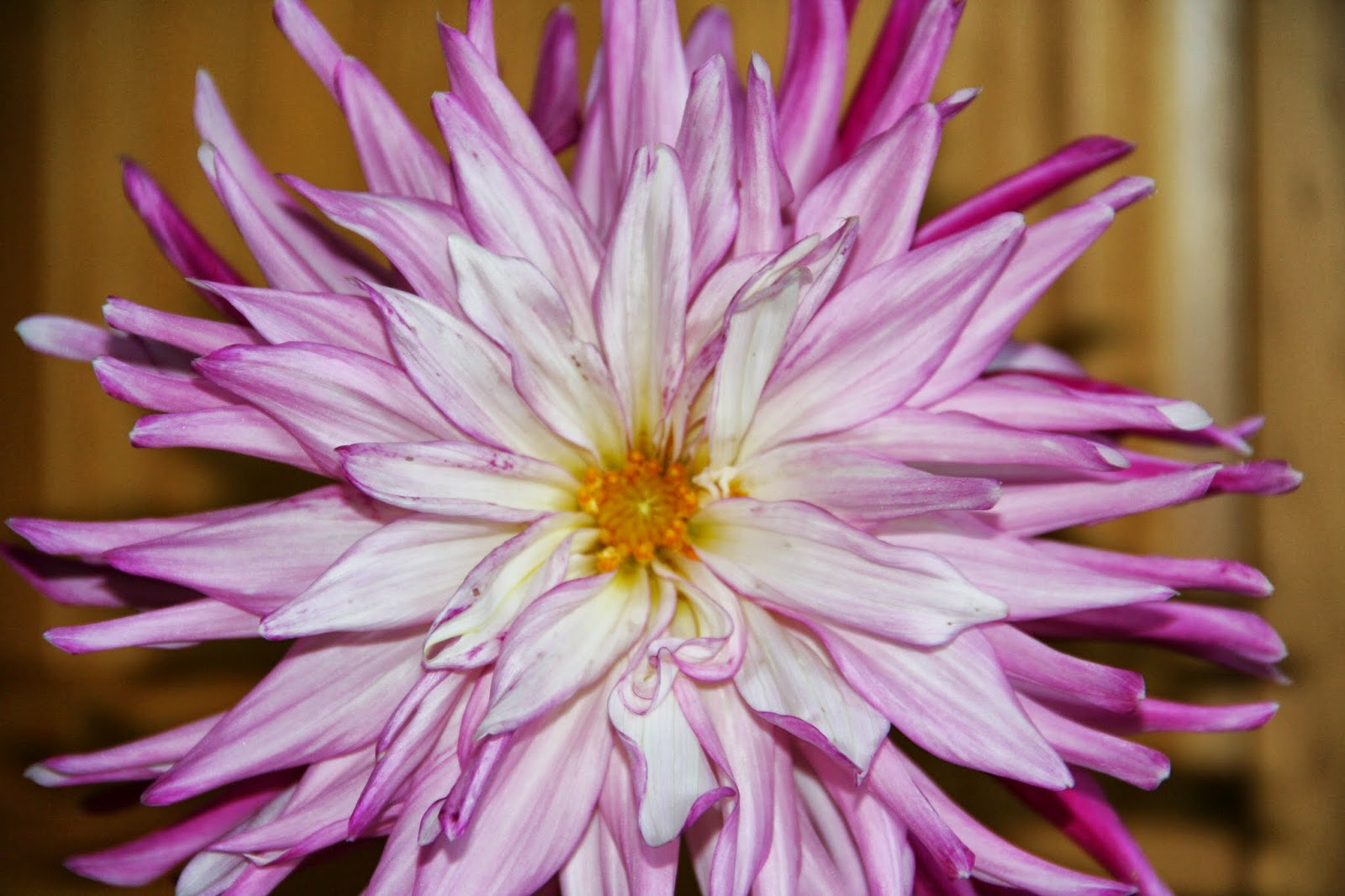
So much has happened since I last posted (dinner plate dahlias and more new plants than I could number) that I'll just start with today :) Today was an exceptional gardening day, even though I didn't last out in the heat very long.

Today I had some fun gardening firsts for which I'm thankful. I planted my first recycled celery plant in the ground (I'd started it in a bowl a few weeks ago and it grew 3-4" of leaves already!), I planted my very first rooted cuttings of Cuban oregano and some lovely red coreopsis I also rooted from cuttings. And, I made a new friend via freecycle who let me enjoy her private garden and gave me a giant hosta plant and 3' tall lady fern (hoping both will survive the heat wave transplantation although the lady fern is looking pretty stressed). Also I had the lovely sighting of two preying mantises (one in my garden and one in my new friend's garden), a bunch of butterflies, moths and birds. Lovely! 

So, even though my garden is overrun with weeds, there are still lots of beautiful flowers to enjoy and I'll do what I can, when I can and pray for the best. Happy gardening!

Thursday, May 16, 2013

New Flowers, Herbs and Hungry Critters
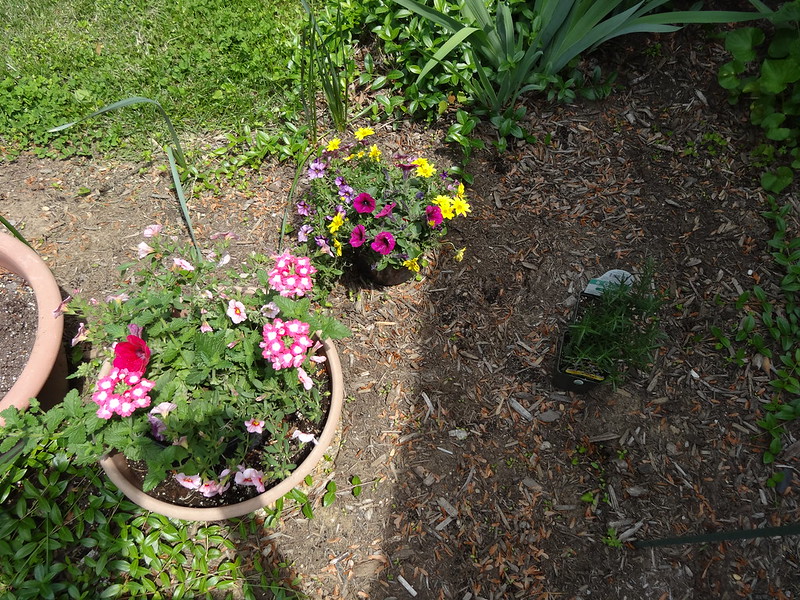
This week I got some sad news so I cheered myself up by buying these two mixed pots of flowers and the two rosemary plants (the rosemary plants are on the right, in the shade). I put the flowers in larger flower pots (in this picture on of the pots is resting in the larger pot I eventually put it in and the other is on the ground) and the rosemary in my new herb garden (which is where my failed xeric garden experiment was last year - hoping for better results this year!). We're still growing herbs in our old herb garden location too so if the experiment works out we'll have plenty to share and if not, at least we should have enough for our own cooking.

Last week I mentioned that something ate our dill plants down to the ground. If you look closely in the photo above the stem on the right is starting to produce new growth so I'm hoping both plant clusters will recover (each plant cluster has 2-4 stems).

Above is an overview of the new experimental herb garden, taken before I planted the two rosemary plants. In the photo (clockwise from the left) are bee balm (courtesy of my wonderful master gardener and stamp collector neighbors - thank you!!!), cilantro, the chewed down dill clusters and a patch of lemon balm. The area is shaded in the photo but receives more than 6 hours of sun a day.

Here are our artichoke seedlings. They looked a whole lot better a few weeks ago. I guess when we moved the dill whatever creature was chomping on it moved on to the artichokes. We really only need two so if even that many survive we'll be happy. In the back pots my husband had originally planted some echinacea seeds but they didn't sprout so I planted some dwarf zinnia seeds. They have yet to sprout so if they don't we'll change the soil out before trying with some new seeds.

There's a lot to do in the garden in spring. In the past week I've also transplanted another echinacea, put in more of the bee balm our kind neighbors gave us and done some weeding. My husband has done some pruning and added dirt to the flowers in our window boxes and more.

Right now our roses, lilacs, irises, ajuga, goatsbeard and forget me nots are blooming. You can see some of our flowers on my inspirational and photographic blog at http://lovejoyandpeas.blogspot.com

Happy gardening!


Thursday, May 9, 2013

Planting Cosmos, Bachelor Button, Asian Day Lily and Dwarf Zinnia Seeds
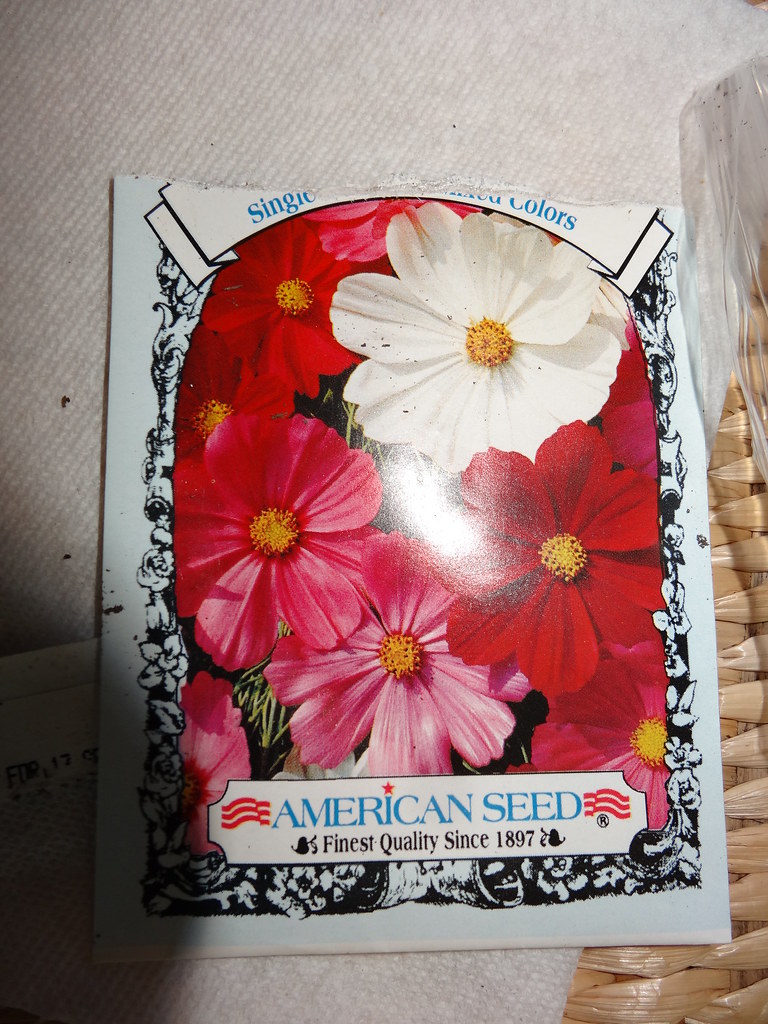
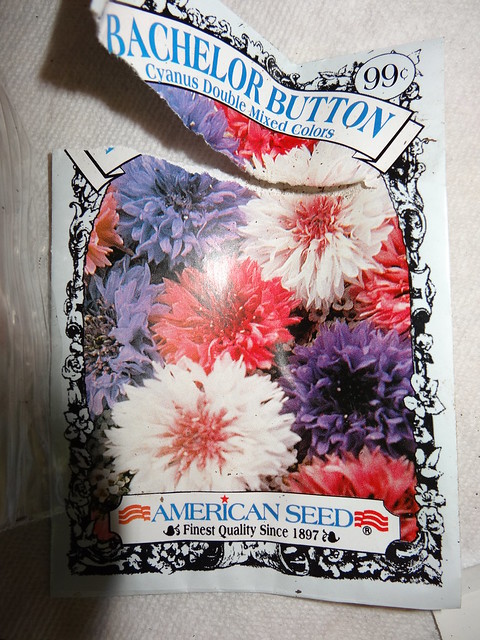
Today I noticed that the potted cilantro was looking pretty bad (some leaves had turned brown and others kind of yellow and overall just not healthy looking) and the two dill plants had been eaten down to the potted soil level (I guess it tasted good to a local rabbit) so I planted them near our lemon balm. Then I planted cosmos, bachelor button, Asian day lily and dwarf zinnia seeds. The cosmos are in front of our house where I (someday) hope to put a nice bench but for now there was just a big gaping hole in the flower bed. The bachelor buttons are beneath a tree in our front yard (where the red zinnias were last year). The Asian day lilies are outside our bedroom window and the dwarf zinnias are in some pots where my hubby tried to grow echinacea seedlings but they didn't sprout. His ornamental artichoke seedlings are doing great. We're going to have to thin them soon. 

I like having the pictures of the seed packets for future reference. I think I got these at the dollar store. The day lily and zinnia seeds were harvested from a friend's garden (the friend wishes to remain anonymous but thank you, sweetie!!!).

The goatsbeard I planted last week is still looking stressed but the echinacea transplants are looking good now. I suspect if we get a heat wave they'll wilt again but so far so good. Some of the zinnia seeds I planted two weeks ago had sprouted but something ate them down to the ground. I think I'll need to get some netting to put over those pots soon if they're going to have a chance to grow.

How is your gardening going this spring? Any new plants or projects? I'd love to hear about them!


Saturday, May 4, 2013

Planting Mexican Blanket Flower, Goats Beard & Echinacea

Today we bought a Mexican Blanket Flower at Home Depot (pictured above, photo from Home Depot) and I planted it and the goatsbeard (pictured below, photo from Spring Hill Nursery) we bought last week at a local garden center this afternoon and I also transplanted two of our baby echinaceas (aka purple coneflowers). I had to transplant these two volunteers from preexisting plants because they fell in an undesirable location - right in the middle of an iris patch). Hubby also did some of his stealth garden work (meaning I have no idea what he did but he was busy for at least an hour).

It was tough digging the baby echinacea plants up (below is photo of their mother plant's flowers) and they were clearly already suffering some shock when I planted and watered them but I'm hoping they'll pull through. Last year I did the same thing and all of the transplants survived.

Of course, I also did some weeding (it's never ending). We have crabgrass that's infiltrated our iris and daylily patch roots. If you happen to have a solution beyond digging the plants up and pulling out the tangled crabgrass (which I've already done but it came back) I'd love to hear it!

May God bless you and your garden!

Tuesday, April 30, 2013

Early Spring Garden Update

So far this spring my husband and I have purchased dill (pictured above; image source) and cilantro (pictured below; image source) for our herb/butterfly garden and a whole host of flower plants for our window boxes (pictured below, after the cilantro). We got the herbs at Home Depot and the flowers at a locally owned garden center.

We've both spent time in the garden but not at the same time. So I'm not sure what all my husband's done, but I know it's more than I've done. He has planted some seeds and I've helped with watering them, although I'm not sure what he planted. I've mostly been weeding but today I planted yellow, orange and pink/purple zinnia seeds (although the orange ones are technically tithonias) in the giant pots our lantana trees were in last year. I had intended to save some of my red zinnia seeds from last year but apparently I saved two batches of the pink instead.

Today I also planted some black eyed susan seeds near our existing plants (to expand the impact of the clump when they bloom) and set our sweet pea seeds to soak for planting tomorrow (hopefully).

My xeric garden experiment last year was a bust. The direct planted zinnia lasted the season but the rest of the annuals' lives were all too brief. This year's only survivors from that area are some irises and a lemon balm plant. Apparently the soil was too acidic and poor in nutrients for the rest. We'll need to clear the rampant weeds before we try again but this year we're aiming to make it another butterfly garden with low maintenance plants like cosmos. It's a patch I can see from the house so I'd love for it to be bursting with color (instead of wilting and getting choked out by weeds).

So, there's lots to do and little time and energy to do it. We'll do what we can and enjoy the fruits of our not so long labors. How is your gardening going? What are your favorite plants?

Monday, March 4, 2013

New Houseplant: Air Plant

We picked up this tillandsia (air plant) in January and while I imagine I'll add it to an arrangement one day for now it just rests on this glass. It's a very low maintenance plant. I mist it with water twice a week and enjoy its red spikes every day.

When considering a year's worth of care, it's probably my easiest houseplant to manage. No soil amendments, fertilizer, over or under watering, repotting etc.

The photo above shows the front view and the photo below shows the side view.


The photo above shows the tag (which I can now recycle because it's stored permanently on my blog. Less clutter; yippee!).

Sunday, September 16, 2012

What Is This Mystery Plant?

This plant sprouted up in our sunny butterfly/bird garden and, even though it might be a weed, I left it because I thought the foliage was interesting. Now it's got slim spikes of purple flowers. Do you know what it is? I have no idea but I'd like to know. I trimmed a branch and brought it to the master gardeners at our county fair but none of them knew either. So if you can identify it you'll have outsmarted several master gardeners! The best information offered was that the plant name might start with an "e" and might be the Japanese version of whatever plant it is. Another person suggested it might be an herb because when you rub the leaves it has a pleasant smell.

This is a zoomed in photo of a similar plant at the U.S. National Arboretum. Unfortunately, it wasn't labeled. My plant has purple and bronze in its leaves but is similarly shaped.

 Here's an intermediate range shot of the same plant.

And here's a really zoomed out version. The plant is on the right front corner of the brick lined garden towards the front of the photo. I think it was taken in the Asian section of the National Herb Garden at the U.S. National Arboretum.

Thursday, August 16, 2012

My Easy and Unusual Herb and Flower Drying Technique

Someday I'll set up a drying area in our garage but until then I just clip the flowers and herbs I want to dry, wrap an elastic around the stem and hang them from any place I can find that has good air flow. The hydrangeas (above) are hanging from one of the nails holding this basket up. So, that's my super easy flower and herb drying method: clip, wrap and hang. The drying area I envision is simply a few lengths of clothes line so I won't have to hunt down random hanging locations. Negotiations with hubby for the location (needs to be out of his way yet low enough that i can reach it) are in progress.

 These mint leaves and flowers are hanging from the top of a tube of caulk.

And earlier this summer I hung these flowers from a can on top of a shoebox. I usually just leave the flowers until I need them (they're usually dry long before I need them). Super easy. Happy gardening!

PS You don't have to have a garden or a garage to dry flowers. You can dry many regular bouquet flowers (roses and the ones that seem to dry first if you forget to water them tend to be the easiest) and just need a place with good air flow to hang them (and that you don't care if dried flakes fall down onto the floor). If you don't want the colors to fade a lot then you want a darkish place too.

Monday, July 30, 2012

Orange Zinnias vs Sunflowers

In my last post on this blog I shared my friend's sunflower like zinnia photos. Both of our plants were started from the same collection of seeds from my 2011 giant zinnias. Hers bloomed first and were a total surprise because, instead of looking like orange zinnias they looked like yellow sunflowers. The foliage on her plants looks just like the foliage on our plants so I expected to have the same result but we got the traditional orange zinnias after all (photo above). We have one more plant that hasn't bloomed yet so it will be interesting to see if the flowers end up yellow or orange.


Either way, we do have some yellow zinnias in our garden (photo above), although, unlike the orange, purple/pink and red zinnias, they weren't grown from seed (at least by us).

With the heat rising we've been staying indoors a lot more and the weeds are attempting (and it looks like winning) a takeover. Once things cool down we'll have a lot of work ahead of us. But for today anyway, I'm just going to enjoy the flowers. Happy gardening dear readers! May God bless you!

Thursday, July 12, 2012

Zinnia to Sunflower!?!

Orange Zinnia Photo By Phyllis
Last year my husband and I grew some giant zinnia bushes (they were taller than me and I'm about 5'7" tall) from a wildflower seed mix. The above photo is of a flower from one of those bushes. The flowers attracted butterflies, bees and a nice variety of birds, including yellow finches. We entered flowers from these zinnia bushes into two local county fairs and they won first prize in their categories at both fairs. We loved these zinnias so much we wanted to grow them again this year so we saved plenty of seeds (for ourselves and our gardening family members and special friends).

Well, now that the first of the plants is blooming (in my dear friend Renee's yard) it turns out that even though these seeds came from orange zinnia plants they look like yellow sunflowers!

Yellow Zinnia / Sunflower Photo By Renee
How wild is that? I had heard that zinnias were called "Mexican sunflowers" and I knew that seeds don't always produce plants identical to the mother plant but I had no idea that an orange zinnia could produce something so very sunflower like. This year's plants are a lot shorter too so it's not just hte flowers that are different. Even the height of the bushes and size of the foliage is different (the leaves on the yellow flowered zinnias are bigger than those that were on the orange flowered zinnias). It looks like we won't have any orange zinnias to enter in this year's fair but I can't wait to see our yellow sunflower like zinnias bloom. Have you had any garden surprises like this? I'd love to hear about them!

Yellow Zinnia / Sunflower Bush Photo By Renee

Monday, July 9, 2012

After the Storm, Japanese Maple Seedling Update & Creative Container Gardening

The five (three red and two yellow) wax begonias fell victim to the big storm we had at the end of June and that caused widespread damage and power outages throughout our region. I wanted to replace the begonias with three creeping Jenny plants and two miniature rose like double impatiens but Ben bought five little lavendar plants. It's pretty shady back there so if they don't survive and the garden center still has the plants I wanted we'll replace them. If they do survive we'll have plenty of lavendar to rub (I love the smell).

Our bird bath got toppled by the storm so my hubby weighted the base down. It needs another cleaning already but the birds don't seem to mind. On really hot days we see many birds using it at the same time but most days they use it one at a time.

Our potted African daisies weren't looking so good so my husband got this orange echinacea (coneflower) for in front of the garage. I don't recall seeing echinacea grown as container plants but I hope it does well. If it starts to fail we'll pop it in the ground and get something else for this spot. I'm trying to nurse the African daisies back to health but hubby thinks they're past saving. We'll see. Potted plants need frequent watering when the temps get above 90, never mind 100 degrees.

This is our "mother" echinacea plant. It's the first one we planted here and it's almost as big as the Josee lilac to the right of it. The storm split it down the middle and had it flopped all over so my husband used a creative blend of stakes, trellises and twine to support it and it's doing fine. In the fall we should probably divide it.

Of the four Japanese maple seedlings we started with this spring I think this is our lone survivor. It's semi shaded by the dahlia that shares its pot.

Here's an overview of the creative container garden that holds the Japanese maple seedling (the seedling is in the far left corner). The main plant in the pot is a dahlia that I had forgotten about and accidentally pulled out in early spring. So the dahlia will be a late bloomer. There's also another mystery plant that I'm hoping is a portulaca.

If you like beautiful photos, please remember to check my inspirational blog for the best flower and foliage photos of the week (every Tuesday; it's my "this week in my Maryland garden" series there).

Happy gardening!

Wednesday, June 27, 2012

Deadheading for More Flowers and Other Garden Tasks

Marigold from Our Maryland Garden
Today and yesterday I spent my gardening time (probably about an hour total) pulling weeds, pruning our butterfly bushes, trying to get rid of some small trees (aka weeds in this case) that were growing up and crowding the butterfly bushes (using my pruning shears - not very effective but at least they're shorter and not hogging the sunlight now) and deadheading flowers.  I'd like to know how long it takes just to do the deadheading (removing spent flowers) but I never seem to single task on that so until I do I won't know for sure. It doesn't take nearly as long as weeding though and it's a lot more fun (at least for me). Better Homes and Gardens has a nice article on how to deadhead with photos of different plant types and their individual deadheading needs (I have no financial relationship with them other than being a paid subscriber of their magazine; I just like the article).

Deadheading is kind of like a moving meditation for me. Depending on the flower I gently tug or snap (e.g., daylilies), pinch (e.g., marigolds) or clip (e.g. shasta daisies and coneflowers) the spent blooms (although once fall approaches I leave some spent blooms such as the coneflower heads alone so they provide winter interest and bird food). Sometimes I pray, sometimes I talk to the plants, and, if no one's around I might even sing to them. It's relaxing and fun. The garden immediately looks better and it's a good feeling to know that taking care of this task will likely result in more flowers than if it hadn't gotten done.

What is your favorite routine garden task?

Tuesday, June 26, 2012

Ravaged Herb Garden, Seedling Updates and Plant Thinning Planning

Last week I mentioned that my next project was to trim back the herb plants that were within six inches of our house. I also planned to divide some of the plants so they could be added to our xeric garden. I even thought there might be enough left to do some bartering. Unfortunately for my plans my well intentioned husband got to it first and he was kind of ruthless (he filled up two trash cans with herb plants and cuttings... but the silver lining is that our trash bins never smelled better).

I still need to move the rosemary (it's too close to the house) but until fall I'll probably just take cuttings from the side nearest the house so it doesn't touch the siding and then move it when it's less likely to stress the plant.

The zinnia seedlings I planted in April are starting to bud. Hopefully we'll have some colorful blooms in another week or two.

Last week I mentioned that I'd need to sacrifice one of these two tangled seedlings. It appears that the one on the left is stronger and the one on the right will need to go. I'll likely take care of that after I finish this post.

This is the best looking of the butterfly bush seedlings that I planted in May (the two tangled seedlings are also from the same batch). I'm not sure if we'll get blooms from them this year but so far we only have one casualty (although it'll be two once I sacrifice the smaller of the tangled ones) so that should leave us with four free butterfly bushes (unless we have more casualties).

You've probably noticed that this is more of a nitty gritty garden journal than a pretty picture garden journal. I do a weekly pretty picture garden post at my Inspirational Blog and here's the link to this week's photos: http://lovejoyandpeas.blogspot.com/2012/06/fun-flowers-and-foliage-this-week-in-my.html. Happy Gardening! May the Master of all Gardens (God) bless you this week and always!

Tuesday, June 19, 2012

Next Two Projects: Moving Herbs and Improving a Bench

In  hopes that posting our next two garden projects will get us moving on them sooner rather than later I thought I'd share them with you here. Above is our herb garden. We have a few other herbs tucked here and there but the majority of our herbs are in this narrow planting bed on the sunny side of our house (the back yard is shady and the other side yard is deeply shaded).

I read somewhere recently that plants shouldn't really be within six inches of the house (to keep bugs from nesting in there or climbing from the plants up behind the siding). Of course, I knew they shouldn't be right up close but I guess I thought four inches would be sufficient. Either way, to be safe I've decided to move, trim back and/or divide the herbs that are too close to the house. Some will be given to friends and some will be planted in our hot mess/xeric garden and I might even try bartering some herb cuttings for some coleus cuttings (I want to try to root some coleus for our shaded areas) or milkweed seeds (my kind Facebook friend Rich told me that milkweed attracts monarch butterflies).

My husband said he'd do this one because he likes to be the bearer of power tools but if he doesn't have time to get to it by the time I've finished the above project and am ready for the next one I will likely tackle it (although I might move a bunch of the snow on the mountain from the backyard first because it's choking out some of our more valuable plants).

Clearly the bench needs to be cleaned. But the bigger issue (and the reason we never use it) is that water pools at the base of the seat (and so does debris). Thanks to a Family Handyman book I learned that we can drill small holes at the lowest points of the seat and voila - we'll have drainage. The debris will be easier to brush off because it shouldn't be soaking wet and moldy anymore. Once that's done we plan to move this bench from the back yard to the front yard (there's a spot all ready for it) and we'll have a nice outdoor reading nook.


Monday, June 18, 2012

Transplanting Seedlings, Fixing a Plant and Weeding

 One of our wax begonias was almost uprooted and hanging sideways out of the planter.

So I straightened it out and added extra dirt around it. There were holes here and there and I suspect a squirrel had been digging or hiding its treasures in the planter box so I filled those holes too.

A few weeks ago I clipped off a flower stalk full of seedlings (I hadn't gotten around to trimming the bush back yet) from our dark bluish purple butterfly bush plant and planted a bunch of the seeds in a 4 inch pot. Those seedlings had at least two sets of true leaves so it was time to get them in the ground. There were 6 seedlings but they were all squished together and their little roots weren't very strong (it's not the best idea to start seedlings in the heat of June so this isn't shocking). I'll be happy if even two end up surviving. Really only 5 have a chance because two had their roots intertwined and I planted them together. In a couple of days I'll thin the one that looks least healthy and hope the other lives. The seedling above is planted at the front left corner of our house (if facing the house) next to some of our rose of Sharon bushes.

This is what I've been calling my hot mess garden. About two years ago one of our giant hedges fell victim to a super heavy snow and ice storm. The tree guys left us a huge pile of woodchips and my husband and I couldn't agree as to whether to plant another hedge plant, make it a butterfly garden or do something else with it. So the mulch pile just sat there until this April. Why April? We had some major plumbing work that involved excavating most of our front yard and everything that we had time to save that had been in our front yard beds got tossed into whatever pots, buckets and receptacles we had handy. When it was time to replant the survivors my husband said he didn't want so many irises in front. We agreed that I could plant the extra in our hot mess garden. You can see the irises towards the bottom left of the planting bed in the photo above. Ok, it's not really a planting bed but what's left of the mulch pile. There's also a lot of weeds. That's a project for another day though.

So, I've been tossing extra seedlings and plants that don't need any attention in the hot mess garden. It turns out that I actually have a xeric garden going on there (one that doesn't need much water). I plan to check out The Xeric Gardener blog soon for more tips on making this a low maintenance garden. I'd also like it to attract butterflies. Mostly I want it to look less bad though. It's kind of an eyesore right now.

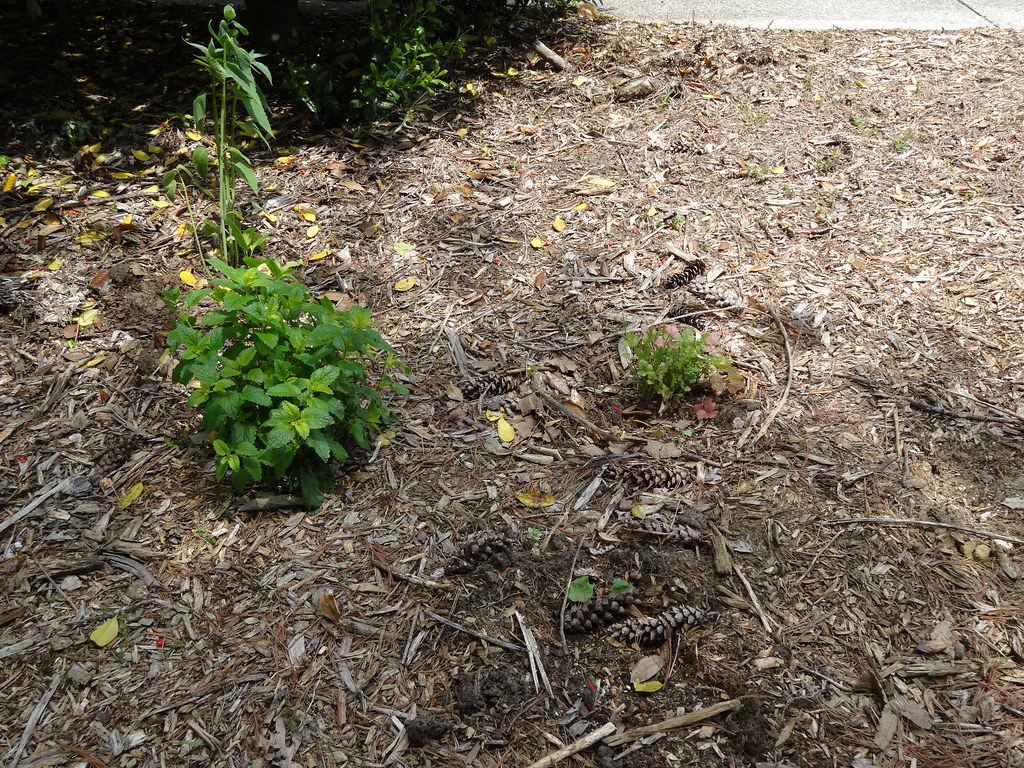
So, I planted the rest of the butterfly bush seedlings in the xeric garden (previously known as my hot mess garden). Just in case I forgot what the seedlings look like I surrounded them by extra large pieces of much or pine cones (so I don't pull them out when it's time to weed or lay landscape fabric over them if I get around to that soon).

 This is a cosmos seedling my husband kindly transplanted to our xeric garden this weekend.

This is a blooming cosmos plant that I transplanted to the xeric garden a few weeks ago. Both of the cosmos plants' seeds were sown at the same time (in March) but they are different varieties of cosmos and the one not blooming yet should have pink or white flowers

This is a piece of a lemon balm plant that I thought might be beyond salvation but it seems to be recovering just fine. One of the gardening tasks on my to do list is to make sure the plants in our herb garden (on the sunny side of our house) are at least six inches away from the house. When I get around to that I'll be adding some herbs to the (so far) no cost xeric garden. I love that, even though it's ugly right now, in a few years we should have a nice xeric garden that attracts butterflies and may not end up costing us any extra money. The biggest challenge with the location of the xeric garden is that people walking their dogs seem to let them do their business on my plants. We've already lost two cosmos seedlings because of that. Hopefully by having the larger plants by the street this will be less of an issue.

Thank you for joining me on my garden journey!

What's going on in your garden? Have you ever seen a xeric garden or a no cost garden?